

关于
故事简介
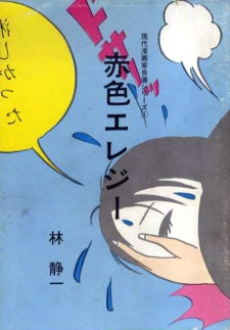
Red Colored Elegy是1970年的漫画作品。 作品已完结。 目录中记录了13 话和1 卷。 Kaidomi汇集各部作品、创作者、角色及相关作品。
架子
商店关于
作品概览
Red Colored Elegy是1970年的漫画作品。 作品已完结。 目录中记录了13 话和1 卷。 本Kaidomi页面收录了1位署名创作者。
完整简介(英语)
Seiichi Hayashi produced Red Colored Elegy between 1970 and 1971, in the aftermath of a politically turbulent and culturally vibrant decade that promised but failed to deliver new possibilities. With a combination of sparse line work and visual codes borrowed from animation and film, the quiet melancholy lives of a young couple struggling to make ends meet are beautifully captured in this poetic masterpiece. Uninvolved with the political movements of the time, Ichiro and Sachiko hope for something better, but they're no revolutionaries; their spare time is spent drinking, smoking, daydreaming, and sleeping--together and at times with others. While Ichiro attempts to make a living from his comics, Sachiko's parents are eager to arrange a marriage for her, but Ichiro doesn't seem interested. Both in their relationship and at work, Ichiro and Sachiko are unable to say the things they need to say, and like any couple, at times say things to each other that they do not mean, ultimately communicating as much with their body language and what remains unsaid as with words. Red Colored Elegy is informed as much by underground Japanese comics of the time as it is by the French Nouvelle Vague, and its cultural referents range from James Dean to Ken Takakura. Its influence in Japan was so large that Morio Agata, a prominent Japanese folk musician and singer songwriter, debuted with a love song written and named after it. "I wanted to live like Sachiko and Ichiro; to have aspirations even while living stoically and humbly." --Morio Agata
目录评分——在粉丝把它建立起来之前,Kaidomi 从不显示自己的评分。 在其类别中,在 1,921 个有评分标题里,只有 973 个排名更高——位列前 51%。
从这里开始
选择你想看的内容
- 得分
- 7.3 / 10
- 章节
- 131 卷
- 状态
- 已完成
- 成员
- 3,106
完整简介(英语)
Seiichi Hayashi produced Red Colored Elegy between 1970 and 1971, in the aftermath of a politically turbulent and culturally vibrant decade that promised but failed to deliver new possibilities. With a combination of sparse line work and visual codes borrowed from animation and film, the quiet melancholy lives of a young couple struggling to make ends meet are beautifully captured in this poetic masterpiece. Uninvolved with the political movements of the time, Ichiro and Sachiko hope for something better, but they're no revolutionaries; their spare time is spent drinking, smoking, daydreaming, and sleeping--together and at times with others. While Ichiro attempts to make a living from his comics, Sachiko's parents are eager to arrange a marriage for her, but Ichiro doesn't seem interested. Both in their relationship and at work, Ichiro and Sachiko are unable to say the things they need to say, and like any couple, at times say things to each other that they do not mean, ultimately communicating as much with their body language and what remains unsaid as with words. Red Colored Elegy is informed as much by underground Japanese comics of the time as it is by the French Nouvelle Vague, and its cultural referents range from James Dean to Ken Takakura. Its influence in Japan was so large that Morio Agata, a prominent Japanese folk musician and singer songwriter, debuted with a love song written and named after it. "I wanted to live like Sachiko and Ichiro; to have aspirations even while living stoically and humbly." --Morio Agata
保留你在故事中的位置
记录剧集和章节,评分标题,并在应用中建立你的粉丝资料。
背后的人们
1 艺术家

Kaidomi Otaku
让粉丝生活更精彩
展现个性,支持社区。
- 预览Otaku 个人资料在显示公开个人资料的地方展示你的光环和徽章。
- 支持 Kaidomi帮助开发和维护应用与社区。