

Manga · Hub
À propos
À propos de l’histoire
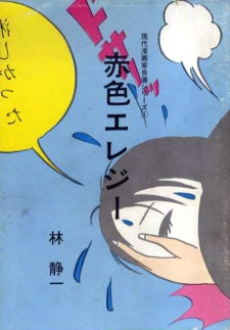
Red Colored Elegy est un manga de 1970. L'œuvre est terminée. Le catalogue recense 13 chapitres et 1 volumes. Le hub Kaidomi réunit sorties, équipe, personnages et œuvres associées au même endroit.
L'étagère
BoutiqueÀ propos
En bref
Red Colored Elegy est un manga de 1970. L'œuvre est terminée. Le catalogue recense 13 chapitres et 1 volumes. Ce hub Kaidomi relie 1 personne créditée.
Synopsis complet (anglais)
Seiichi Hayashi produced Red Colored Elegy between 1970 and 1971, in the aftermath of a politically turbulent and culturally vibrant decade that promised but failed to deliver new possibilities. With a combination of sparse line work and visual codes borrowed from animation and film, the quiet melancholy lives of a young couple struggling to make ends meet are beautifully captured in this poetic masterpiece. Uninvolved with the political movements of the time, Ichiro and Sachiko hope for something better, but they're no revolutionaries; their spare time is spent drinking, smoking, daydreaming, and sleeping--together and at times with others. While Ichiro attempts to make a living from his comics, Sachiko's parents are eager to arrange a marriage for her, but Ichiro doesn't seem interested. Both in their relationship and at work, Ichiro and Sachiko are unable to say the things they need to say, and like any couple, at times say things to each other that they do not mean, ultimately communicating as much with their body language and what remains unsaid as with words. Red Colored Elegy is informed as much by underground Japanese comics of the time as it is by the French Nouvelle Vague, and its cultural referents range from James Dean to Ken Takakura. Its influence in Japan was so large that Morio Agata, a prominent Japanese folk musician and singer songwriter, debuted with a love song written and named after it. "I wanted to live like Sachiko and Ichiro; to have aspirations even while living stoically and humbly." --Morio Agata
Score du catalogue — Kaidomi ne montre jamais sa propre note jusqu’à ce que les fans l’aient construite. Dans son genre, seuls 973 des 1 921 titres notés font mieux — le top 51 %.
Commencer ici
Choisissez ce que vous voulez ouvrir
En bref
- Note
- 7.3 / 10
- Chapitres
- 131 Volumes
- Statut
- Terminé
- Membres
- 3 106
Synopsis complet (anglais)
Seiichi Hayashi produced Red Colored Elegy between 1970 and 1971, in the aftermath of a politically turbulent and culturally vibrant decade that promised but failed to deliver new possibilities. With a combination of sparse line work and visual codes borrowed from animation and film, the quiet melancholy lives of a young couple struggling to make ends meet are beautifully captured in this poetic masterpiece. Uninvolved with the political movements of the time, Ichiro and Sachiko hope for something better, but they're no revolutionaries; their spare time is spent drinking, smoking, daydreaming, and sleeping--together and at times with others. While Ichiro attempts to make a living from his comics, Sachiko's parents are eager to arrange a marriage for her, but Ichiro doesn't seem interested. Both in their relationship and at work, Ichiro and Sachiko are unable to say the things they need to say, and like any couple, at times say things to each other that they do not mean, ultimately communicating as much with their body language and what remains unsaid as with words. Red Colored Elegy is informed as much by underground Japanese comics of the time as it is by the French Nouvelle Vague, and its cultural referents range from James Dean to Ken Takakura. Its influence in Japan was so large that Morio Agata, a prominent Japanese folk musician and singer songwriter, debuted with a love song written and named after it. "I wanted to live like Sachiko and Ichiro; to have aspirations even while living stoically and humbly." --Morio Agata
Gardez votre place dans l'histoire
Notez les épisodes et les chapitres, évaluez le titre et construisez votre profil de fan dans l'app.
Les personnes derrière
1 Artistes

Kaidomi Otaku
Profitez davantage de votre passion
Démarquez-vous. Soutenez la communauté.
- AperçuProfil OtakuVotre anneau et votre badge, partout où apparaît votre profil public.
- Soutenez KaidomiAidez à créer et à maintenir l’app et la communauté.